A Greater Cincinnati physician has been indicted on rape, sexual battery, and gross sexual imposition charges following allegations that he sexually assaulted a disabled patient during a medical appointment.
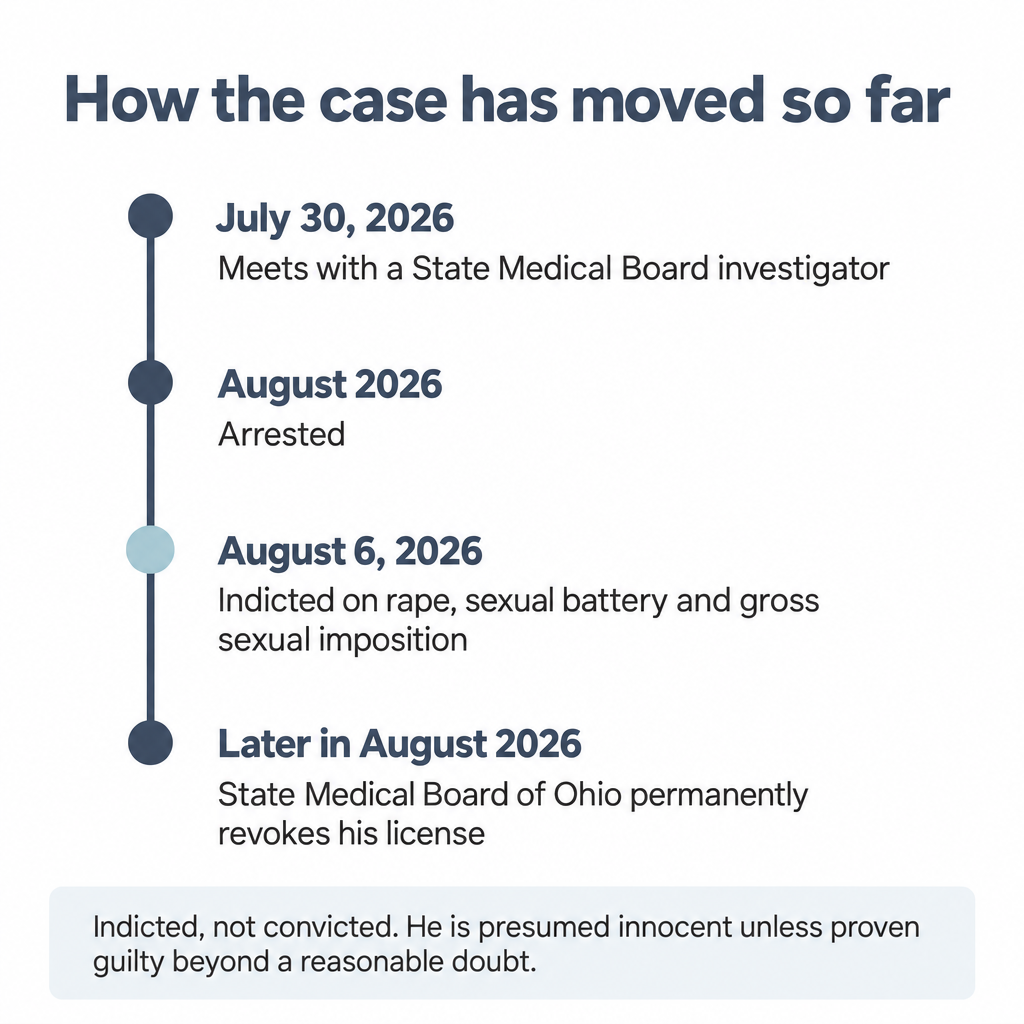
According to Cleveland 19 News, Dr. Michael Rousseau, a physician associated with The Urology Group, is accused of exposing himself to a patient and directing the patient to perform sexual acts. The criminal complaint alleges that the patient has a diagnosed mental condition that substantially impairs the patient. Bond was set at $1 million after his arrest in August 2026.
A Clermont County grand jury indicted Rousseau on August 6, 2026, on one count each of rape, sexual battery, and gross sexual imposition. Later that month, the State Medical Board of Ohio permanently revoked his medical license. Prosecutors have asked anyone who believes they may also have been harmed by Rousseau to contact the Union Township Police Department.
The allegations are deeply troubling. Patients should be able to seek medical care without fear that a physician or other healthcare professional will exploit the privacy, trust, or vulnerability inherent in the treatment relationship.
Court Records Describe an Alleged Admission
The State Medical Board of Ohio was reportedly notified of the incident and conducted an investigation. According to the criminal complaint, Rousseau met with a Medical Board investigator on July 30, 2026.
Court records reportedly state that Rousseau acknowledged embracing and kissing the patient. He also allegedly admitted that he exposed himself and that the patient performed sexual acts on him. Afterward, he allegedly instructed the patient to keep the encounter secret.
Rousseau reportedly characterized the incident as a lapse in judgment. Sexual activity between a physician and a vulnerable patient, however, cannot be dismissed as a simple error in judgment. Medical professionals occupy positions of authority and trust. They also have access to patients in private settings, often when patients are frightened, physically exposed, medicated, disabled, or otherwise dependent on the provider.
Rousseau has been indicted, but he has not been convicted. He is presumed innocent unless and until the criminal charges are proven beyond a reasonable doubt.
Ohio Law Protects People Whose Ability to Consent Is Impaired
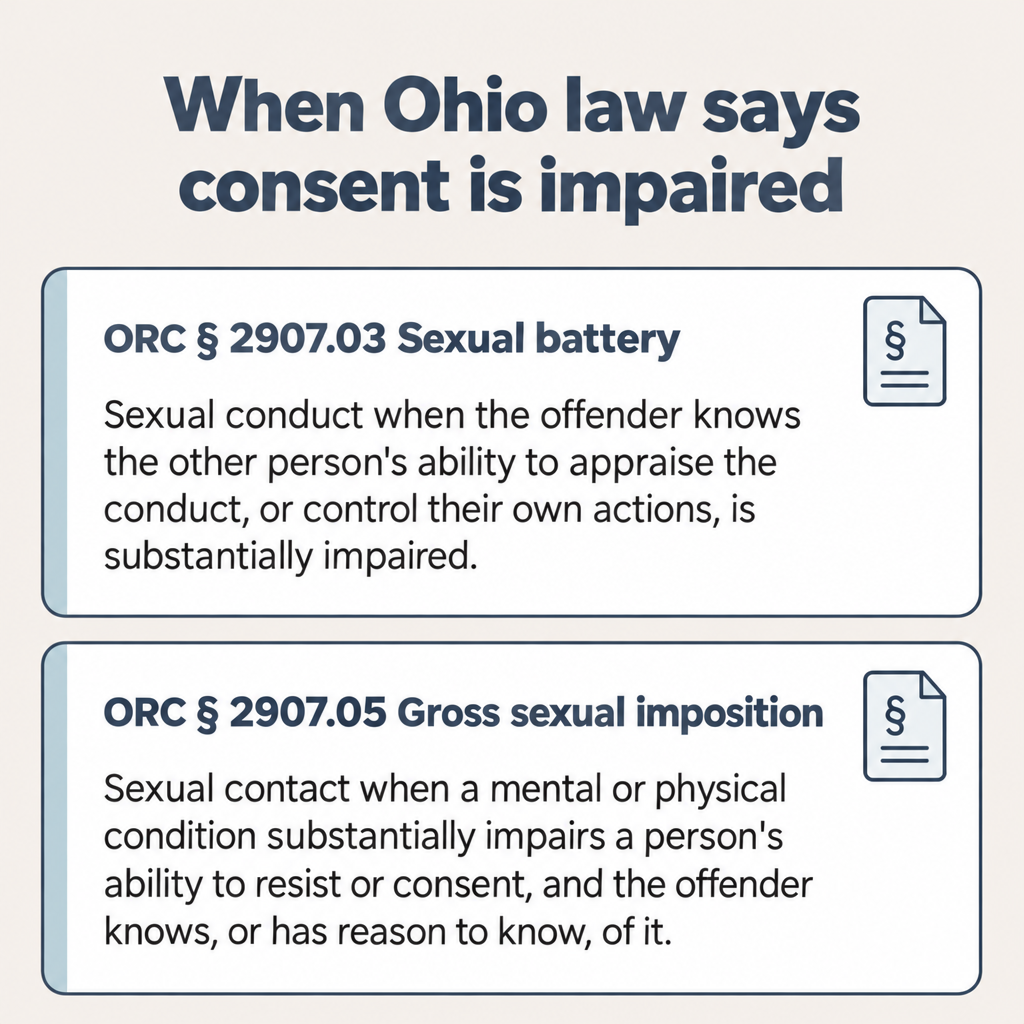
Ohio law recognizes that a person may be unable to meaningfully consent to sexual activity because of a mental or physical condition.
Ohio's sexual battery statute prohibits sexual conduct when an offender knows that another person's ability to appraise the nature of the conduct or control that person's own actions is substantially impaired. Ohio's gross sexual imposition statute also addresses sexual contact when a person's ability to resist or consent is substantially impaired because of a mental or physical condition and the offender knows, or has reason to know, of that impairment.
These protections are especially important in healthcare settings. A disability does not make a person less deserving of dignity, bodily autonomy, or protection. It may, however, make the person more vulnerable to manipulation by someone who controls access to medical treatment, examinations, information, medication, or assistance.
Criminal Charges and Civil Claims Serve Different Purposes
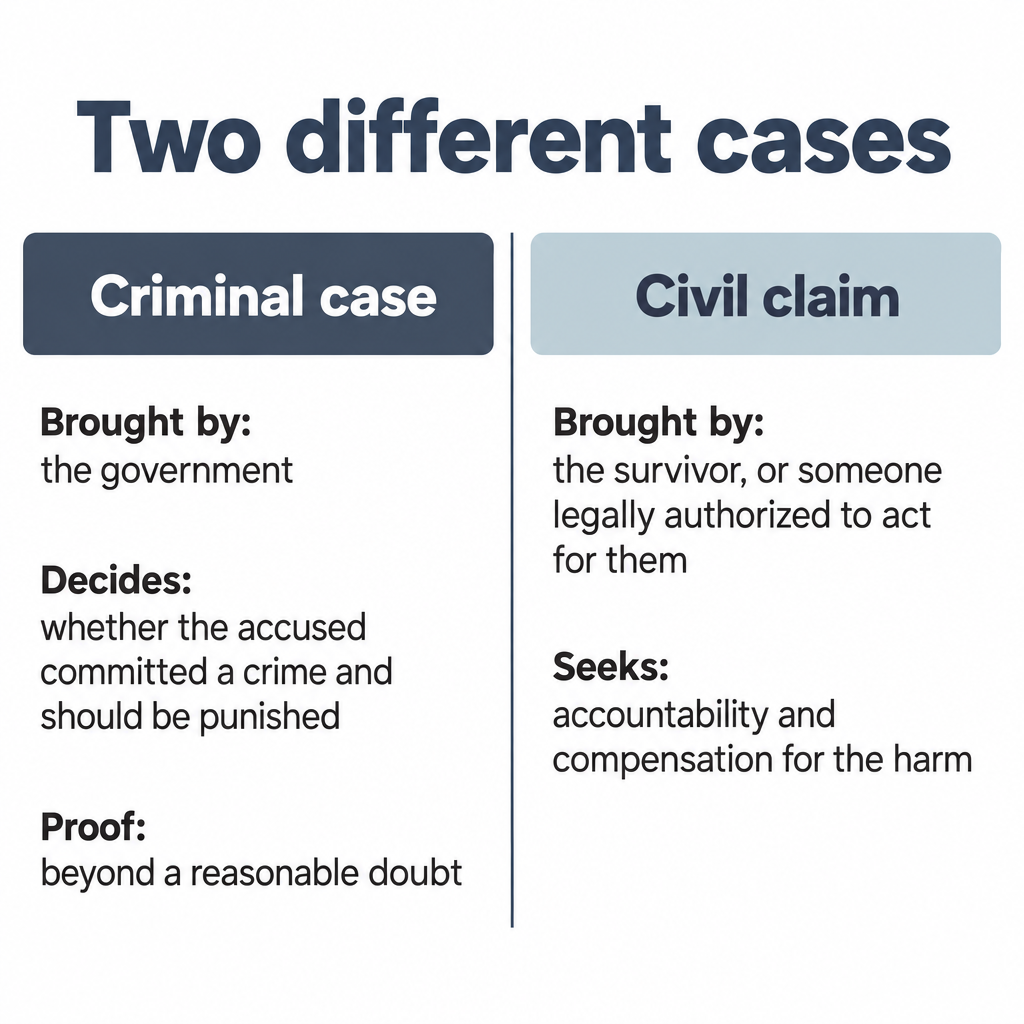
A criminal prosecution is brought by the government to determine whether the accused committed a crime and should be punished. A civil lawsuit is brought by the survivor, or by someone legally authorized to act for the survivor, to seek accountability and compensation for the harm caused.
Depending on the facts, a survivor of sexual abuse by a medical provider may have civil claims against the individual perpetrator. There may also be claims against a medical practice, hospital, healthcare system, or other organization that employed, supervised, credentialed, or permitted the provider to treat patients.
Potential civil claims may involve:
Sexual assault and battery
A civil claim for damages caused by a criminal act, under Ohio Revised Code 2307.60
Negligent hiring, retention, or supervision
Failure to investigate or respond to earlier complaints
Failure to protect vulnerable patients
Medical negligence
Intentional or negligent infliction of emotional distress
Violations of professional duties and standards
Whether an institution may be held responsible depends on evidence concerning what it knew, what it should have known, and whether reasonable steps could have prevented the abuse.
Institutional Accountability Must Be Investigated
When sexual abuse allegedly occurs in a medical office, the investigation should not end with the individual provider.
Important questions may include whether the physician had previously been accused of misconduct, whether employees observed concerning behavior, whether appropriate chaperone policies existed, whether those policies were followed, and whether the medical organization adequately supervised the provider.
Evidence may be found in personnel records, credentialing documents, patient complaints, internal communications, Medical Board records, scheduling information, security footage, examination room procedures, and witness testimony. Because some evidence may be overwritten, destroyed, or lost through ordinary document retention practices, prompt preservation efforts can be critical.
Survivors Should Not Be Blamed for Delayed Reporting
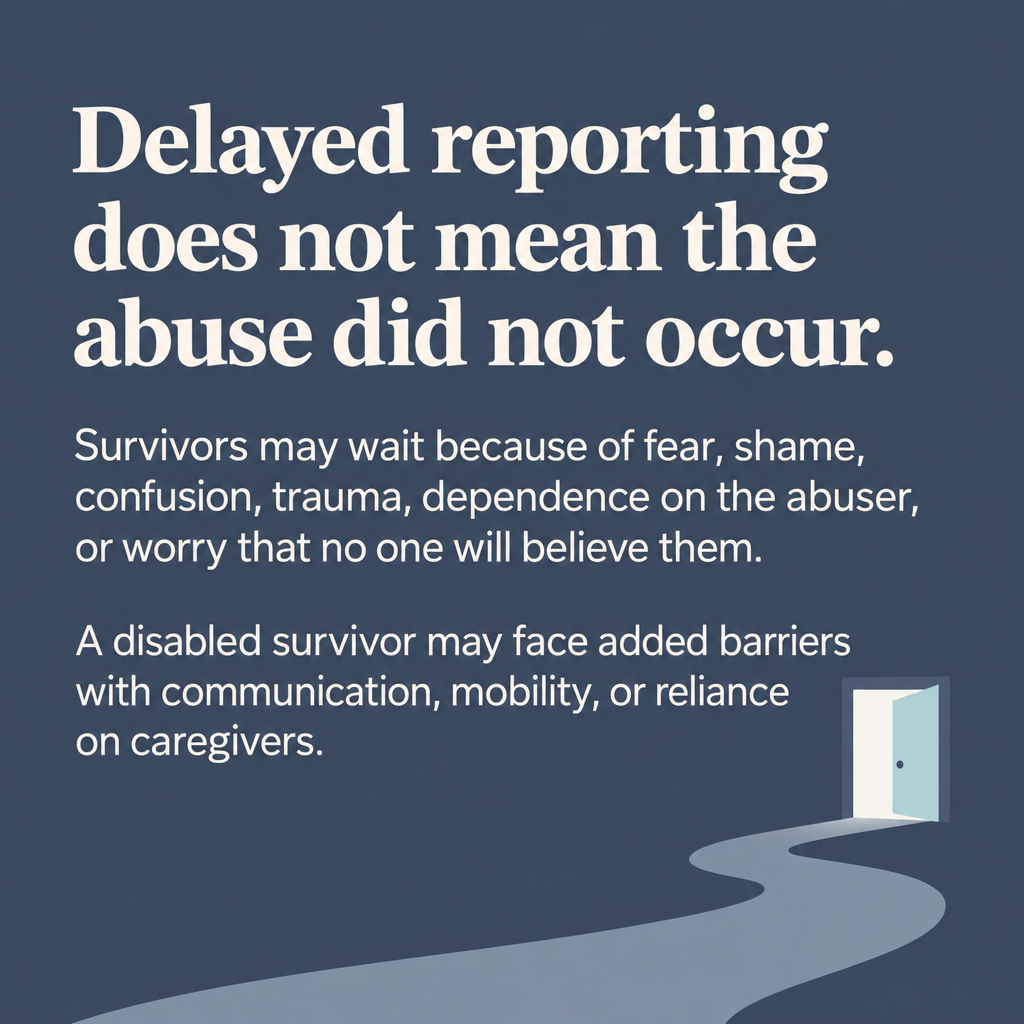
Many survivors do not immediately disclose sexual abuse. A person may experience fear, shame, confusion, trauma, dependence on the abuser, or concern that others will not believe them. A disabled survivor may face additional obstacles involving communication, mobility, cognitive impairment, reliance on caregivers, or difficulty accessing legal and medical resources.
An alleged instruction to keep sexual conduct secret can also be evidence of grooming, coercion, or an effort to prevent detection. Delayed reporting does not mean the abuse did not occur.
Speak With an Ohio Sexual Abuse Attorney
Survivors of sexual abuse by physicians and other healthcare providers may have rights beyond the criminal justice process. An experienced Ohio sexual abuse lawyer can investigate the provider and the medical institution, preserve evidence, communicate with law enforcement and licensing authorities, and evaluate potential civil claims.
Time limits may apply to civil claims, and the applicable deadline can depend on the survivor's age, disability, the nature of the claims, the identity of the defendants, and when relevant facts were discovered. Survivors and their families should seek legal advice promptly rather than assuming that they have either unlimited time or no remaining legal options.
Our Ohio sexual abuse attorneys represent survivors with compassion, discretion, and respect. Consultations are free and confidential. Call (216) 658-9900 or contact us to discuss your rights and the steps that may be available to protect you or your family member.